
Last Updated on AUG 20, 2026
The Winter Fuel Payment recovery rules remain in force for pensioners whose individual total income exceeds £35,000 a year. However, HMRC does not take £300 directly from pensioners’ bank accounts. Instead, it recovers the full value of the winter payment through PAYE tax codes or Self Assessment.
For winter 2026 to 2027, eligible pensioners in England, Wales and Northern Ireland can receive between £100 and £300. Scotland uses the separate Pension Age Winter Heating Payment, worth between £105.55 and £316.70 in 2026 to 2027.
The tax charge actually applies to winter payments from the 2025 to 2026 tax year onwards, rather than starting for the first time in 2026. PAYE recovery of winter 2025 payments is already taking place during the 2026 to 2027 tax year.
What Is The £300 Deduction And Who Does It Affect?
The UK government has confirmed changes to the Winter Fuel Payment, which will affect pensioners beginning in 2026.
Historically, this payment has been a non-means-tested benefit offered to pensioners to help cover heating costs during the colder months.
The £35,000 threshold applies to an individual pensioner’s total annual income, rather than household income.
Where total income is £35,000 or less, the payment can normally be kept. Where it exceeds £35,000, HMRC generally applies a Winter Fuel Payment Charge equal to the full payment received.
The charge has applied to winter payments from the 2025 to 2026 tax year onwards, so it should not be described as a policy beginning for the first time in 2026.
The Department for Work and Pensions has stated that everyone will still receive the payment upfront regardless of income, but higher earners will have to return the money later.
According to estimates, nearly two million pensioners could be affected, and the average repayment will be up to £300.
This move is part of a broader attempt to make pensioner support more targeted while still maintaining a universal payment at the point of delivery.
There is also an important exemption. Pensioners receiving certain qualifying means-tested benefits during the qualifying week, including Pension Credit, Income Support, income-based Jobseeker’s Allowance, income-related Employment and Support Allowance or Universal Credit, are not liable for the charge even if their income exceeds £35,000.
Is HMRC Taking £300 Directly From Pensioners’ Bank Accounts?
One of the most confusing elements of the announcement is the belief that £300 will be automatically taken from pensioners’ bank accounts.
This is not accurate. HMRC has clarified that the deduction will not occur via direct debit or any withdrawal from personal bank accounts.
The repayment process is fully integrated into the UK’s existing tax collection systems. Everyone eligible will receive their Winter Fuel Payment first. Only later will HMRC assess income levels and recover payments through adjusted tax contributions.
This process aims to keep the system streamlined and prevent delays in benefit delivery. The repayment method varies depending on how the individual’s income is taxed.
How Will HMRC Reclaim The £300 From Pensioners?
The method of repayment for the Winter Fuel Payment will be handled through HMRC using existing tax mechanisms. There will be no direct withdrawal from bank accounts. Instead, the money will be reclaimed via tax systems that are already in place for working individuals and pensioners.
PAYE: Monthly Deductions From Pension Or Salary
For those receiving income through the Pay As You Earn (PAYE) system—such as occupational pensions or part-time work—HMRC will apply changes to tax codes to reclaim the owed amount gradually. This ensures that the deduction is manageable and spread over time.
- Recovery Started In April 2026: PAYE tax-code adjustments during 2026 to 2027 are being used to recover Winter Fuel Payments received during the 2025 to 2026 tax year.
- Typical £200 Payment: HMRC says recovering a typical £200 payment works out at approximately £17 extra tax per month during 2026 to 2027.
- Temporary 2027 To 2028 Increase: HMRC expects a typical deduction of about £33 per month where two £200 payments are being recovered during 2027 to 2028. This covers payments for both the 2026 to 2027 and 2027 to 2028 tax years as the system moves to in-year recovery.
PAYE is seen as the most efficient route, especially for pensioners with regular, taxable income streams. There is no need for the individual to take any action—adjustments are made automatically based on income reported to HMRC.
Self Assessment: Repayment Via Annual Tax Return
For pensioners who submit Self Assessment tax returns, such as the self-employed or those with investment income, the repayment will be included as part of the annual tax calculation.
This means:
- Pensioners already using Self Assessment repay the charge through their normal tax return. From the 2025 to 2026 tax year onwards, the winter payment charge belongs on the return for the tax year in which the payment was received.
- HMRC will include it automatically on online returns where possible, but taxpayers should check that it appears and add it if necessary. Paper filers must enter it themselves. No one needs to register for Self Assessment solely because of the Winter Fuel Payment Charge.
- For the 2025 to 2026 return, the current deadlines are 31 October 2026 for paper returns and 31 January 2027 for online returns.
- Payment deadlines will align with standard tax due dates.
- Pensioners must budget accordingly to avoid late payment interest or penalties.
The Self Assessment route may require more careful planning since the repayment is collected in one lump sum, unlike PAYE, which spreads it over 12 months. Those on Self Assessment are encouraged to track their total income to anticipate whether they will cross the £35,000 income threshold.
Differences Between PAYE And Self Assessment Collection
| Method | Frequency | Payment Timing | Who It Applies To |
|---|---|---|---|
| PAYE | Monthly | Throughout tax year | Pensioners with occupational income via PAYE |
| Self Assessment | Annually | With next tax return | Self-employed or with other income streams |
This two-track system enables HMRC to ensure recovery from a wide range of pensioners, depending on how they receive their income.
Could HMRC Recover Two Winter Payments In 2027 To 2028?
Yes. The 2027 to 2028 tax year is a transitional year for PAYE customers because HMRC can recover winter payments relating to both 2026 to 2027 and 2027 to 2028 through the tax code.
However, describing this simply as a “£600 deduction” can be misleading because the amount depends on how much Winter Fuel Payment the individual actually receives.
HMRC’s standard example assumes two £200 payments. This would mean £400 being recovered in total, equivalent to approximately £33 extra tax per month over the year.
Someone receiving the maximum £300 Winter Fuel Payment in both relevant years could potentially face a combined £600 charge, provided they remain above the £35,000 income threshold and are not exempt.
From the 2028 to 2029 tax year onwards, HMRC intends to recover each payment through the tax code in the same tax year in which it is received.
Can Pensioners Opt Out Of The Winter Fuel Payment?
Pensioners who know they will exceed the £35,000 annual income threshold have the option to opt out of receiving the Winter Fuel Payment starting in 2026. This allows them to avoid future tax deductions and simplifies financial planning.
The government has provided multiple methods for opting out:
- Online via gov.uk or mygov.scot (for Scottish residents)
- By phone using a dedicated helpline
- By post through the Winter Fuel Payment Centre
Pensioners can opt out if they do not want to receive a Winter Fuel Payment and subsequently have it recovered through tax.
For England, Wales and Northern Ireland, the current deadlines for winter 2026 to 2027 are:
| Method | Deadline For Winter 2026 To 2027 |
|---|---|
| Manage Your State Pension service | Before 11:59pm on 20 September 2026 |
| Online opt-out form | Before 11:59pm on 20 September 2026 |
| Telephone | Before 6pm on 18 September 2026 |
Scotland has a separate process because pensioners there receive Pension Age Winter Heating Payment from Social Security Scotland rather than DWP Winter Fuel Payment.
The Scottish online opt-out service is currently available until midday on 19 October 2026. Once a Scottish pensioner opts out, they will normally remain opted out in future years until they opt back in.
Once someone opts out, they do not need to repeat the request every year. Future Winter Fuel Payments remain stopped until they choose to opt back in. Someone wishing to opt back in for winter 2026 to 2027 must contact the Winter Fuel Payment Centre before 31 March 2027.
How Can Pensioners Claim The Winter Fuel Payment If Eligible?
Most pensioners will receive the Winter Fuel Payment automatically. However, there are certain cases where individuals must apply to receive it. This applies to:
- Pensioners who have deferred their state pension
- Individuals who have moved to the UK recently
- Those with no recent Winter Fuel Payment history
Most eligible pensioners receive Winter Fuel Payment automatically. A claim may still be required where someone has not received Winter Fuel Payment previously or has deferred their State Pension since their last payment.
The 31 March 2026 deadline related to winter 2025 to 2026 and has now passed. Claims for the winter 2026 to 2027 Winter Fuel Payment open on 21 September 2026.
Eligibility for winter 2026 to 2027 is based on circumstances during the qualifying week of 21 to 27 September 2026. In England, Wales and Northern Ireland, a person must generally have been born on or before 27 June 1960.
Eligible people should normally receive a letter in October or November 2026, with most payments arriving in November or December 2026. Anyone who believes they are eligible but has not received a letter or payment by 27 January 2027 should contact the Winter Fuel Payment Centre.
The Winter Fuel Payment Centre telephone number remains 0800 731 0160, Monday to Friday from 8am to 6pm. There is no need to describe the number as becoming available only from 13 October 2026.
What Are The Financial Implications For Pensioners Moving Forward?
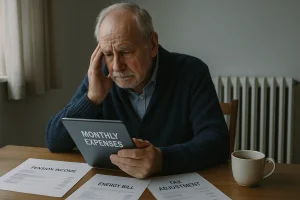
This policy shift marks a significant development in how pensioner benefits are managed. Although the repayment is limited to higher-income pensioners, the change carries both practical and financial consequences that will require proactive planning.
Monthly Budgeting Will Become Essential
One of the most immediate concerns for affected pensioners is monthly budgeting. While a £17 monthly deduction may seem modest, it could affect those on fixed incomes—particularly when combined with rising costs in other areas like energy, food, and healthcare.
In 2027, the dual recovery approach means monthly deductions could rise to £33, nearly doubling the financial impact for that year. Even though the repayment is for a benefit already received, many may not factor it into their monthly budgets unless properly informed.
Pensioners should review their net monthly income and expenditure to accommodate these changes without compromising essential spending.
Opting Out As A Financial Strategy
For some pensioners, particularly those earning well above £35,000 per year, it may make more sense to opt out of receiving the Winter Fuel Payment. By doing so, they can avoid:
- Tax adjustments to their PAYE code
- Higher Self Assessment bills
- Complications in financial forecasting
Opting out simplifies financial management and is an option available from April 1, 2026. Pensioners should assess their total income including private pensions, savings interest, and other taxable sources before making a decision.
Risk Of Accidental Overpayment And Delayed Repayments
There is also a risk of accidental overpayment if HMRC does not have the most up-to-date information about a pensioner’s income. This could lead to unexpected tax liabilities later.
To prevent this, pensioners are advised to:
- Ensure all income sources are properly declared
- Keep tax records accurate and current
- Monitor HMRC notifications regarding benefit repayment
In rare cases, incorrect income reporting could delay or increase the repayment burden. Regular reviews of tax records can help pensioners avoid any administrative complications.
Impact On Future Pensioner Benefits
While the Winter Fuel Payment adjustment is the first of its kind, it could signal a broader trend in UK policy. Government departments may begin applying income thresholds to other benefits historically offered on a universal basis.
This includes:
- Free TV licences (already subject to age and income rules)
- Council tax reductions
- Energy bill support
For pensioners near the income threshold, these changes could collectively affect overall disposable income and influence long-term retirement planning.
Conclusion
The £35,000 Winter Fuel Payment income threshold remains in place, but pensioners are not facing an automatic £300 withdrawal from their bank accounts.
HMRC instead recovers the full value of the payment through PAYE or Self Assessment where an individual’s total income exceeds the threshold and no qualifying exemption applies.
Recovery of winter 2025 payments is already taking place during the 2026 to 2027 tax year, while 2027 to 2028 will temporarily involve recovery of two years of payments for some PAYE customers.
For winter 2026 to 2027, eligible pensioners in England, Wales and Northern Ireland can receive between £100 and £300, while Scotland’s Pension Age Winter Heating Payment ranges from £105.55 to £316.70.
Pensioners should therefore check their individual income, tax code and the correct opt-out or claim deadlines for the part of the UK where they live.
Frequently Asked Questions
Will the £300 repayment apply every year?
No, the £300 repayment only applies if a pensioner receives the Winter Fuel Payment and exceeds the income threshold. From 2027, there may be two payments recovered in one year, but in future years, the amount will return to normal annual deductions.
Can pensioners challenge the repayment if their income changes mid-year?
HMRC will base repayment eligibility on total annual income. If a pensioner’s income drops below the threshold after the payment is issued, they may contact HMRC to reassess their status or avoid repayment the following year.
Does this affect Pension Credit recipients?
No, those receiving Pension Credit or with incomes below £35,000 are unaffected. In fact, they may still qualify for full Winter Fuel Payments without any deductions.
Is this part of a wider reform of pensioner benefits?
Yes, this change aligns with broader government efforts to make pensioner support more targeted and means-tested. Future reforms may also impact other universal benefits.
What happens if I ignore the repayment notice?
Repayments are handled automatically through PAYE or tax bills. Ignoring them could result in penalties or interest charges. It’s advised to comply with HMRC’s tax adjustments.
Will Scottish pensioners face the same rules?
In Scotland, Winter Fuel Payment has been replaced by Pension Age Winter Heating Payment, administered by Social Security Scotland. For winter 2026 to 2027, payments range from £105.55 to £316.70.
The £35,000 individual-income threshold still applies, with HMRC recovering the payment through the tax system where required.
Is the Winter Fuel Payment taxable income?
The payment itself is not classed as taxable income, but repayments are recovered through your tax, meaning it indirectly affects your net income.

Leave a Reply