
Last Updated on AUG 22, 2026
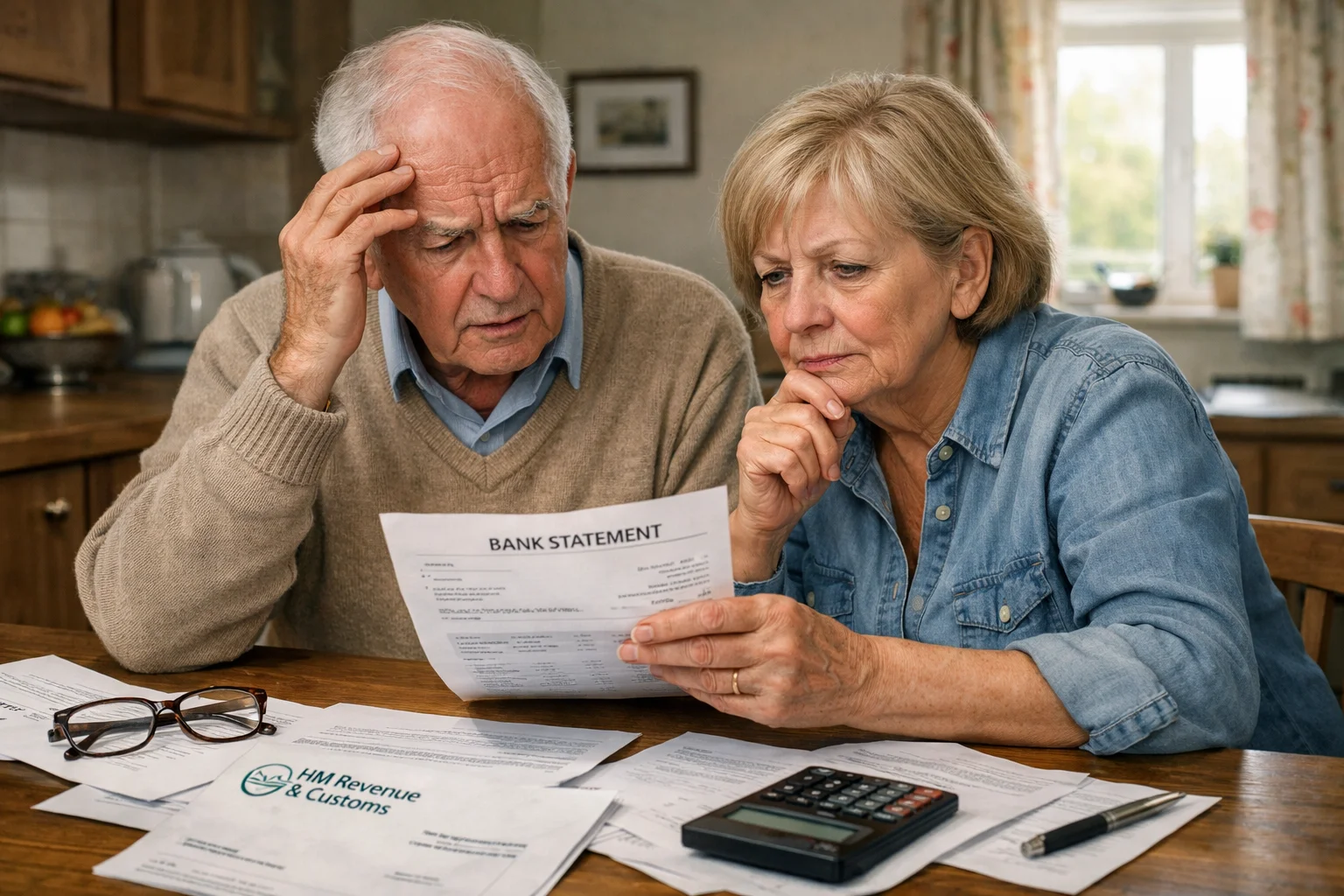
Confusion continues over online claims that HMRC has introduced a fixed £500 bank deduction for UK pensioners. There is no official HMRC policy requiring £500 to be automatically removed from pensioners’ accounts simply because of their age or pension status.
However, HMRC does have legal powers under Direct Recovery of Debts (DRD) to recover qualifying unpaid tax debts directly from bank and building society accounts.
HMRC restarted DRD in September 2025 following a pause during the pandemic and began rolling it out to more customers from April 2026.
This article explains what has actually changed, when HMRC can use DRD, the safeguards protecting taxpayers and why a genuine tax-debt recovery power should not be confused with claims of a blanket £500 pensioner deduction.
Is HMRC Really Deducting £500 From Pensioners’ Bank Accounts?

The claim that HMRC is deducting £500 directly from the bank accounts of UK pensioners has caused confusion across digital platforms. These claims appear frequently on social media and unverified websites, fuelling concern among pensioners.
However, HMRC has made no official confirmation that such a policy exists. Instead, the source of this confusion lies in the misunderstanding of an older debt-recovery policy known as Direct Recovery of Debts (DRD).
This mechanism enables HMRC to recover outstanding debts in specific and limited circumstances, but not as a standardised deduction for all pensioners.
Several articles referencing figures like £300, £420 or £500 lack citations from government agencies or reputable financial institutions. These amounts are not listed in any official document from HMRC.
What Is The Direct Recovery Of Debts (DRD) Scheme?
The Direct Recovery of Debts (DRD) power became law in 2015 and allows HMRC, in qualifying circumstances, to recover established tax and tax-credit debts directly from bank and building society accounts. Its use was paused during the COVID-19 pandemic.
The important current update is that HMRC restarted DRD in September 2025 through a controlled “test and learn” phase and began rolling it out to more customers from April 2026 onwards.
HMRC says the power is aimed at individuals and businesses that have the means to pay established debts but repeatedly fail to engage or pay what they owe.
DRD applies only when:
- A person owes more than £1,000 in unpaid tax or benefit-related debts
- The taxpayer has received multiple notices about the debt
- At least £5,000 remains in the account after the deduction
- The taxpayer has not responded to earlier communication
HMRC must follow a clearly defined procedure before it initiates a bank deduction.
How DRD Actually Works?
Before an individual is considered for DRD, HMRC says the debt must be established, normal appeal deadlines must have passed and the customer must have repeatedly failed to respond to attempts to resolve the debt.
For individuals, HMRC also guarantees a face-to-face visit before the debt is considered for DRD, providing another opportunity to confirm the debt, discuss payment and identify anyone who needs extra support.
If HMRC proceeds, it can instruct the bank or building society to place a hold on funds up to the qualifying debt amount, while ensuring at least £5,000 remains available across the customer’s relevant accounts.
The taxpayer then has 30 calendar days from the date HMRC sends the hold notice to submit a written objection. The money remains held by the bank during this period and is not automatically transferred to HMRC immediately.
Who Can Be Affected By This HMRC Power?
The DRD scheme applies to anyone who has an unpaid tax debt exceeding £1,000, regardless of age or employment status. It does not specifically target pensioners.
While some pensioners may fall within this bracket if they have outstanding tax debts, the application of DRD to pensioners is incidental and not intentional. It is a mechanism based on financial status, not demographic profile.
Are Pensioners Specifically Targeted Under DRD?

There is no evidence or policy that supports the idea that pensioners are being specifically targeted under the DRD scheme. The misleading articles that suggest otherwise often fail to reference source documents or HMRC guidelines.
HMRC has a responsibility to treat vulnerable taxpayers with care, including pensioners. DRD is applied based on legal and financial thresholds, not age or type of income.
What Protections Exist For Vulnerable Or Elderly Individuals?
- HMRC’s current DRD safeguards provide additional protection for people who need extra support. Age alone does not automatically exempt someone from DRD, but HMRC must consider whether personal circumstances make it difficult for the customer to deal with their tax affairs.
Current safeguards include:
- DRD being considered only for established debts of more than £1,000
- At least £5,000 remaining available across the customer’s accounts
- A face-to-face visit before an individual is considered for DRD
- A 30-calendar-day period to object after the hold notice is issued
- The ability to object on grounds including exceptional hardship
- DRD activity being stopped where HMRC identifies that a customer needs extra support while specialist assistance is offered
Therefore, a pensioner experiencing serious financial, health or personal difficulties should contact HMRC rather than assume that money can automatically be removed from their account.
Is There A Minimum Account Balance Safeguard?
Yes. One of the key safeguards in the DRD process is the £5,000 minimum balance rule. This ensures that even if HMRC takes money to settle a tax debt, a person is not left entirely without funds.
This threshold applies across all the individual’s bank accounts combined, meaning HMRC must assess the total funds before making a recovery. If enforcing DRD would reduce available funds below £5,000, the action cannot proceed.
Here is a summary comparison of DRD rules versus the viral £500 deduction claim:
| Criteria | Actual DRD Policy | Viral £500 Deduction Claim |
|---|---|---|
| Target group | Anyone with tax debts over £1,000 | All pensioners |
| Age-specific application | No – applies to all qualifying taxpayers | Yes – claims to target pensioners only |
| Notice before deduction | Yes – formal notice required | No mention of any notice |
| Minimum account balance required | £5,000 must remain after deduction | No safeguard described |
| Basis of deduction | Actual tax debt verified by HMRC | Fixed figure with no official confirmation |
What Does HMRC Say About The £500 Pensioner Claim?
As of August 2026, there is still no HMRC announcement establishing a blanket £500 deduction from pensioners’ bank accounts.
Current HMRC guidance instead confirms that DRD is a debt-recovery power based on an individual’s established tax debt and financial circumstances, not a fixed charge based on age.
What has changed is the use of DRD itself. HMRC restarted the power in September 2025 and expanded its use from April 2026. The amount that could ultimately be recovered depends on the actual qualifying debt, rather than a standard £500 figure.
HMRC has also launched a 2026 consultation on proposals to recover some lower-value tax debts through regular direct deductions from customers who persistently fail to engage. This remains a proposal under consultation and should not be reported as evidence that HMRC has introduced a £500 pensioner deduction.
This is an important addition because the 23 June 2026 lower-value debt consultation is newer than your existing article.
What Are The Common Signs Of HMRC-Related Scams?
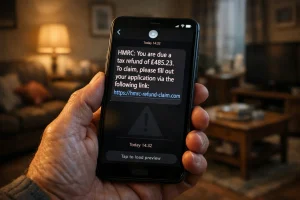
Scams impersonating HMRC have been growing in recent years, often targeting elderly individuals. These scams typically aim to steal personal information or prompt hasty payments.
Recognising these warning signs is essential to staying safe:
- Threatening phone calls demanding immediate payment
- Emails claiming refunds or urgent action with suspicious links
- Letters or texts asking for personal financial details
Be cautious of unexpected communications that rush or threaten you, request bank or payment details, demand a money transfer or offer an unexpected tax refund.
HMRC says it will not notify you of a tax rebate or ask you to disclose personal or payment information by text message.
Suspicious emails can be forwarded to phishing@hmrc.gov.uk, while suspicious texts can be forwarded to 60599.
If you receive an unexpected call claiming to be from HMRC, check it against HMRC’s published list of genuine contacts before providing information or making a payment.
How To Verify Genuine HMRC Communications?
To check the authenticity of an HMRC message:
- Log into your HMRC online account and check for notices
- Cross-reference the contact details with the official HMRC website
- Contact HMRC directly if in doubt
The government also maintains an official list of scam examples and contact methods to report suspicious communications.
How Can Pensioners Protect Themselves From Misinformation And Scams?
Pensioners and their families can take practical steps to prevent falling for misleading articles or scams. Given the rapid spread of financial misinformation online, it’s important to rely only on verified information.
Some ways to stay informed include:
- Consulting trusted sources like Citizens Advice, Age UK, and HMRC
- Verifying viral claims with reputable news organisations
- Avoiding engagement with alarmist headlines from unknown sites
If any message or article seems suspicious or exaggerated, it is best to pause and research further before taking any action.
Is There Any Truth Behind Viral Articles About Pension Deductions?
Several articles claiming automatic deductions from UK pensioners‘ accounts have appeared across various blogs and news aggregator sites. These articles frequently list figures such as £300, £420, or £500 being removed without consent.
A closer review of these claims shows that most do not cite any official HMRC documentation. The numbers seem to stem from either incorrect interpretations of the DRD policy or from intentional clickbait content designed to attract readers.
Here is a comparison between DRD and these viral articles:
| Feature | Direct Recovery Of Debts (DRD) | Viral Articles On Pension Deductions |
|---|---|---|
| Official policy or announcement | Yes – DRD introduced with formal guidelines | No official policy linked |
| Consistency in deduction amount | No – amount based on actual debt | Claims of fixed £500 deduction |
| Group affected | Anyone with unpaid taxes | Pensioners only |
| Opportunity to respond or appeal | Yes | Not mentioned |
| Media sources | ICAEW, gov.uk | Unknown blogs and social media pages |
What Should You Do If You Owe Tax To HMRC?

For individuals who do owe money to HMRC, it is essential to follow the correct process to resolve the debt. Ignoring notices or delaying payment can result in additional interest, penalties or in some cases, the use of enforcement methods like DRD.
HMRC’s Official Steps For Resolving Debt
If you receive a tax bill and are unable to pay it all at once, HMRC offers several options:
- Apply for a Time to Pay arrangement, allowing scheduled monthly payments
- Contact HMRC to negotiate a tailored repayment plan
- Request a delay in payment based on financial hardship
These solutions are available for both individuals and businesses and are more favourable than waiting for forced recovery actions.
Can You Appeal Or Delay A Recovery?
Yes. If HMRC intends to use DRD, they are required to notify the taxpayer in writing and allow time for a response. During this time, the taxpayer can:
- Dispute the validity of the debt
- Request a reconsideration based on financial hardship
- Appeal the decision through a tax tribunal if needed
Legal advice and support from organisations like Citizens Advice or TaxAid can help taxpayers understand their rights and options during the debt recovery process.
Conclusion
There is no confirmed HMRC policy imposing an automatic £500 bank deduction on UK pensioners. Pensioners are not singled out simply because of their age, and DRD deductions are based on established debts rather than a standard £500 charge.
What has changed is that HMRC restarted Direct Recovery of Debts in September 2025 and expanded its use from April 2026 onwards.
HMRC can use the power for qualifying debts of more than £1,000, but strict safeguards apply, including leaving at least £5,000 available across relevant accounts, additional contact before action, protection for customers needing extra support and a 30-calendar-day right to object after a hold notice.
A separate 2026 consultation is considering ways of recovering lower-value debts through regular deductions, but those proposals should not be confused with claims of a blanket £500 deduction for pensioners.
Anyone concerned about an HMRC debt or unexpected communication should verify it through official GOV.UK channels before making payments or sharing financial information.
Frequently Asked Questions
Is HMRC allowed to take money from personal bank accounts?
Yes, but only under the DRD scheme and under specific conditions. There must be a tax debt over £1,000, and several safeguards apply, including notification and appeal rights.
Are all pensioners subject to this deduction?
No, there is no policy targeting all pensioners for deductions. Only those with unresolved tax debts may be affected, regardless of age.
What should I do if I receive a suspicious HMRC message?
Do not respond or click links. Report it to phishing@hmrc.gov.uk and verify your tax status via your HMRC online account.
Does HMRC ever call people about debts?
In some cases, HMRC may call, but they will never ask for immediate card payments or threaten arrest. Always verify the call’s authenticity.
What is the minimum amount that must be left in my account under DRD?
HMRC must leave at least £5,000 in your account after any deduction through DRD. This is to ensure you are not left without basic financial resources.
Can DRD be applied to joint accounts?
Yes, but only if one account holder is responsible for the tax debt. The rules are stricter, and additional checks are required before action.
Is it possible to stop a deduction once notified?
Yes, you have time to appeal or dispute the claim before any money is taken. Legal and financial support is available if needed.

Leave a Reply